
A pocket knife can have a rough summer. Sweat gets into the pivot. Sand shows up where sand has no business being. Salt water sticks around long after the beach trip is over.
Most of the damage starts small. A few spots on the blade. Gritty action. Hardware that looks fine until you take the scales off and discover a tiny science experiment underneath.
The fix is usually pretty simple. Know what steel you’re carrying, rinse the knife after wet use, dry it all the way, and don’t leave it sealed inside a damp bag like you’re trying to grow something.

D2, S35VN, and MagnaCut in Summer
By late afternoon, the knife has been through more than planned.
It opened a snack, cut some line, rode in a sweaty pocket, and ended up beside the water while everybody argued about where the sunscreen went. Now the blade is damp, the handle has grit in it, and the steel stamp finally feels useful.
On an older Lander 1 with D2, this is the point where waiting until tomorrow can become a bad idea. D2 cuts well and holds an edge, but sweat left on the blade may turn into small orange spots. They often start near the pivot or around a fingerprint nobody noticed.
A dry cloth takes care of most normal days. When the air stays humid, add a very light coat of protectant. Enough to cover the steel but not enough to make the knife slide out of your hand like a buttered trout.
S35VN usually handles the same afternoon with less fuss. Normal humidity isn’t much of a problem. It offers good corrosion resistance without giving up the toughness and edge retention people want from an everyday knife.
The inside of the handle is another story.
A blade can look clean while water sits near the liners, screws, or pivot. Salt is especially good at staying behind after the visible water disappears. Once a knife has been in the lake or around ocean spray, rinse the whole thing instead of only wiping the blade.
While MagnaCut steel isn’t completely rustproof, it does buy more breathing room. Dr. Larrin Thomas developed the steel, and Knife Steel Nerds covers the science for anyone curious enough to keep reading after the word carbide appears.
The Lander 2, Lander 3, and Lulu fixed blade use MagnaCut. That makes sense for fishing, paddling, wet camps, and summer hikes where a dry pocket lasts about nine minutes.
Still, someone has to deal with the sand.
Corrosion resistance helps the blade. It doesn’t empty the pivot, clean the screws, or remove the wet towel wrapped around everything in the backpack.
Rinse the knife. Set it somewhere safe to dry. Check it later.
The steel can handle a lot. It shouldn’t have to handle neglect too.
Salt Water Is the Part That Gets Personal

Salt water doesn’t leave politely.
The blade may look dry after a quick wipe, but salt can still be sitting near the screws, inside the pivot, or along the liners. Once the water disappears, that salt is still there, waiting to make itself useful in the worst possible way.
High-mineral inland water can pull the same trick. A day at the Great Salt Lake counts. So does a brackish marsh. The tackle box that smells like old bait and poor decisions probably counts twice.
Back at home, open the knife carefully and rinse it with clean, fresh water. Let the water move through the handle instead of only washing the blade face. Sand, silt, and salt all enjoy hiding where a towel can’t reach.
Mind the edge while you work. A wet knife is already enough of a project without adding a trip to urgent care or knocking it into the dog’s water bowl.
There’s a lot of science behind chloride deposits and corrosion. NASA Corrosion Technology Labs has the longer version. For regular knife care, the useful part is simple: fresh water removes salt.
After rinsing, dry anything you can reach. Then leave the knife open somewhere safe for a while. Water around the pivot may still be there after the handle feels dry in your hand.
Compressed air can help with the drying process, provided it’s used gently and from a reasonable distance. The goal is to move water, not launch the knife across the garage.
Once everything is dry, check the action. Add a single drop of suitable pivot lubricant if it feels rough.
One drop and anything beyond that starts turning pocket lint into a permanent internal feature.
If Rust Has Already Shown Up
You pull the knife out, catch the light, and there it is. One orange spot. Maybe two.
That isn’t a funeral. It’s a reminder.
Put a little food-safe mineral oil on the area and let it sit for a bit. Then work at the spot with something gentle, such as a soft cloth, nylon brush, or wooden toothpick. Go slowly. Rust can come off. Scratches are much more committed.
Wipe the blade clean and take another look. If the mark is still there but shallow, repeat the process. If the rust has started pitting the steel, keeps returning, or has reached the pivot or other internal parts, stop turning it into a garage experiment.
At that point, contact the manufacturer or a knife technician.
Some problems need expertise. Others need oil and patience. Knowing which one you have is the useful part.
Handle Materials for Wet, Sweaty Days

Handles get interesting after they are wet.
A dry knife can make almost any scale material feel fine. Add sweat, rain, mud, or lake water and the differences become easier to notice. Grip changes. Cleanup changes. Visibility becomes a concern the second the knife leaves your hand. Knafs replacement scales and accessories let you adjust all three.
Sweat-resistant EDC knife scales like G10 are usually the easy-care choice. It handles water well, wipes clean, and can be given enough texture to stay useful when hands are damp. Bright colors also help when the knife lands beside a trail or disappears under the contents of a backpack.
Micarta takes on use differently. It feels warmer, darkens as it picks up oils, and develops the worn look many people actually want. Damp hands often like the texture too. It still needs air after a wet day.
Don’t close the knife inside a case while the scales and hardware are still damp. Moisture is patient. It can wait.
Wood and metal are not automatically poor choices for knife scales. They simply deserve a closer look after rain, sweat, or spray. Water may sit underneath removable scales, and unstabilized wood can react when the humidity moves around.
Check the screws. Check the liners. Check the places that never seem important until rust appears there.
Color matters once the knife hits the ground. Orange, pink, yellow, and blue stand out around rocks, mud, water, and grass.
Black looks excellent almost everywhere.
Unfortunately, “everywhere” includes the exact patch of shoreline where you dropped it.
Design Details That Make Cleanup Easier

Some knives are much easier to clean after a wet day.
An open backspacer knife design gives water, sand, and pocket lint somewhere to go besides deeper into the knife. You can rinse through it, see what’s stuck inside, and give the whole thing more airflow while it dries.
That doesn’t make the knife maintenance-free. It just means the cleanup is less likely to involve a flashlight, three cotton swabs, and language that scares the dog.
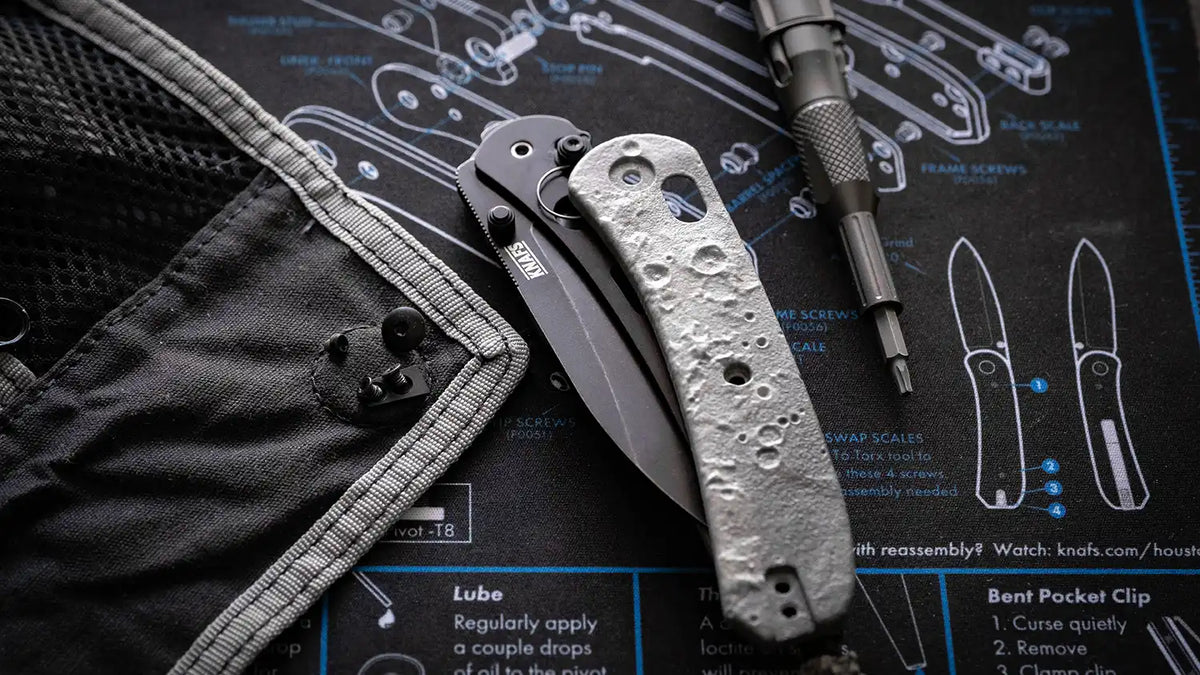
The scale setup matters too. On compatible knives in the Knafs Lander line, the Fast-In-Fast-Out system lets you remove the outer scales without taking apart the pivot.
That’s handy after a sweaty hike or a day around water. Take out the scale screws, lift the scales, dry the liners, and check the hardware before putting everything back together.
Use the correct driver. Tiny screws are already difficult enough without introducing a stripped head and a bad attitude.
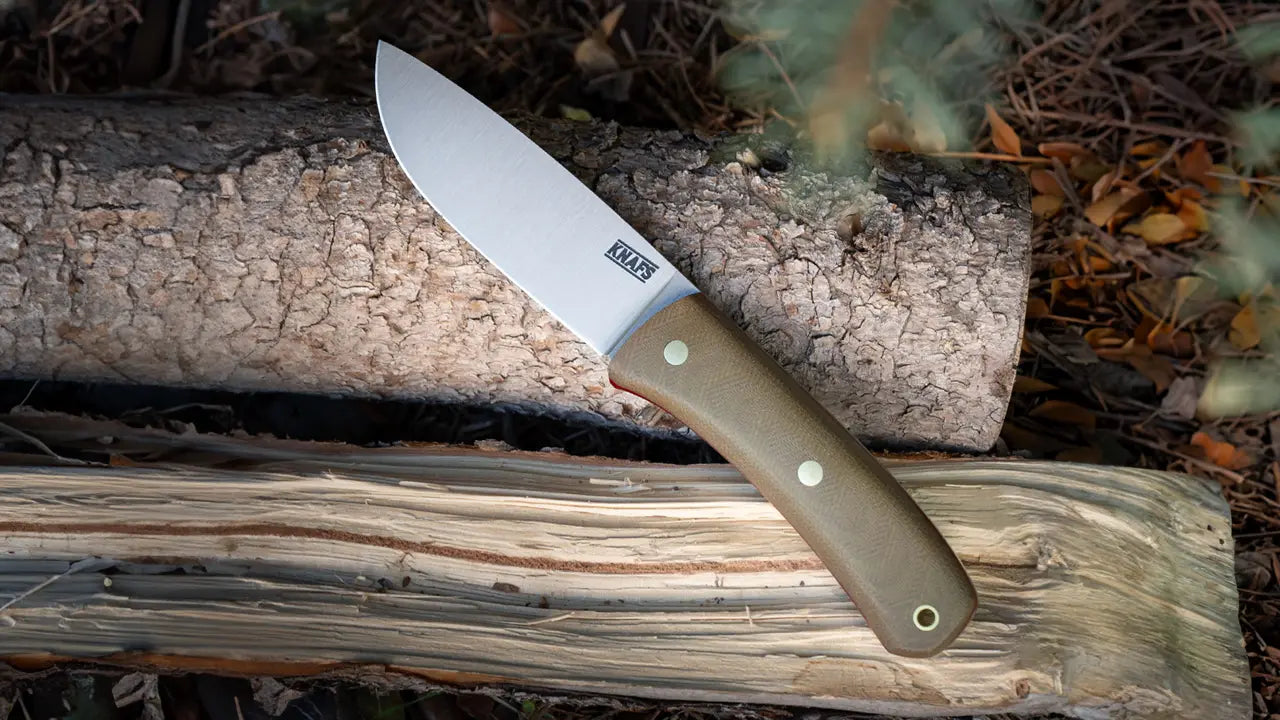
A fixed blade can make even more sense when wet conditions are part of the plan. The Knafs Lulu has no pivot or lock to collect grit, which removes a few common cleanup problems from the list.
Its MagnaCut blade and Micarta handle are well suited to outdoor use, but it still needs the usual attention. Rinse off salt, mud, and other debris. Dry the knife completely. Make sure the sheath is dry too before putting everything away for a long stretch.
No moving parts doesn’t mean no chores. It just means fewer places for swamp water to hide.
Storage Without the Tiny Rust Terrarium

A knife can be clean and still rust in storage.
The usual problem isn’t the drawer itself. It’s the moisture that went into the drawer with the knife. Damp basements, zipped nylon cases, leather sheaths, and humid safes can all hold onto more water than they seem to.
Applied Technical Services Environmental Labs has testing on how humidity and salt affect metal. The home version is much simpler: keep the storage spot dry and check it once in a while.
Let the knife dry all the way before it goes into a roll, case, or drawer. Not mostly dry. Not “the outside feels fine.” All the way.
Desiccant packs help in enclosed storage, especially in humid climates. Replace or recharge them when needed. Once they’re saturated, they’re just tiny packets with excellent branding.
For a knife that will sit for a while, wipe a thin coat of mineral oil or protective wax over exposed steel. Fixed blades should not spend months inside a leather sheath. Leather can hold moisture, and steel tends to remember.
Before the collection gets put away for the season, clean the blades, check the pivots, protect the steels that need it, and pick a dry place.
That’s the routine. No humidity spreadsheet required.
Carry It, Get It Wet, and Clean It Afterward.
Rust-resistant pocket knives are made to be used, not kept inside a climate-controlled display case. Choose a steel that fits the way you carry, rinse away salt and grit after wet trips, and let the knife dry before closing it up for the night.
D2 steel corrosion happens a bit faster. S35VN is more forgiving. MagnaCut gives you the widest margin around moisture, but it still lives on planet Earth and remains subject to chemistry.
Planning a lake, beach, or kayak trip? Browse the Knafs store for Lander folders, the Lulu fixed blade, replacement scales, and other gear built to be carried rather than admired from a safe distance.
Use the knife. Dry the knife. Try not to leave it in the swim bag until Monday.
To the moon, amigos.

Dejar un comentario
Este sitio está protegido por hCaptcha y se aplican la Política de privacidad de hCaptcha y los Términos del servicio.